
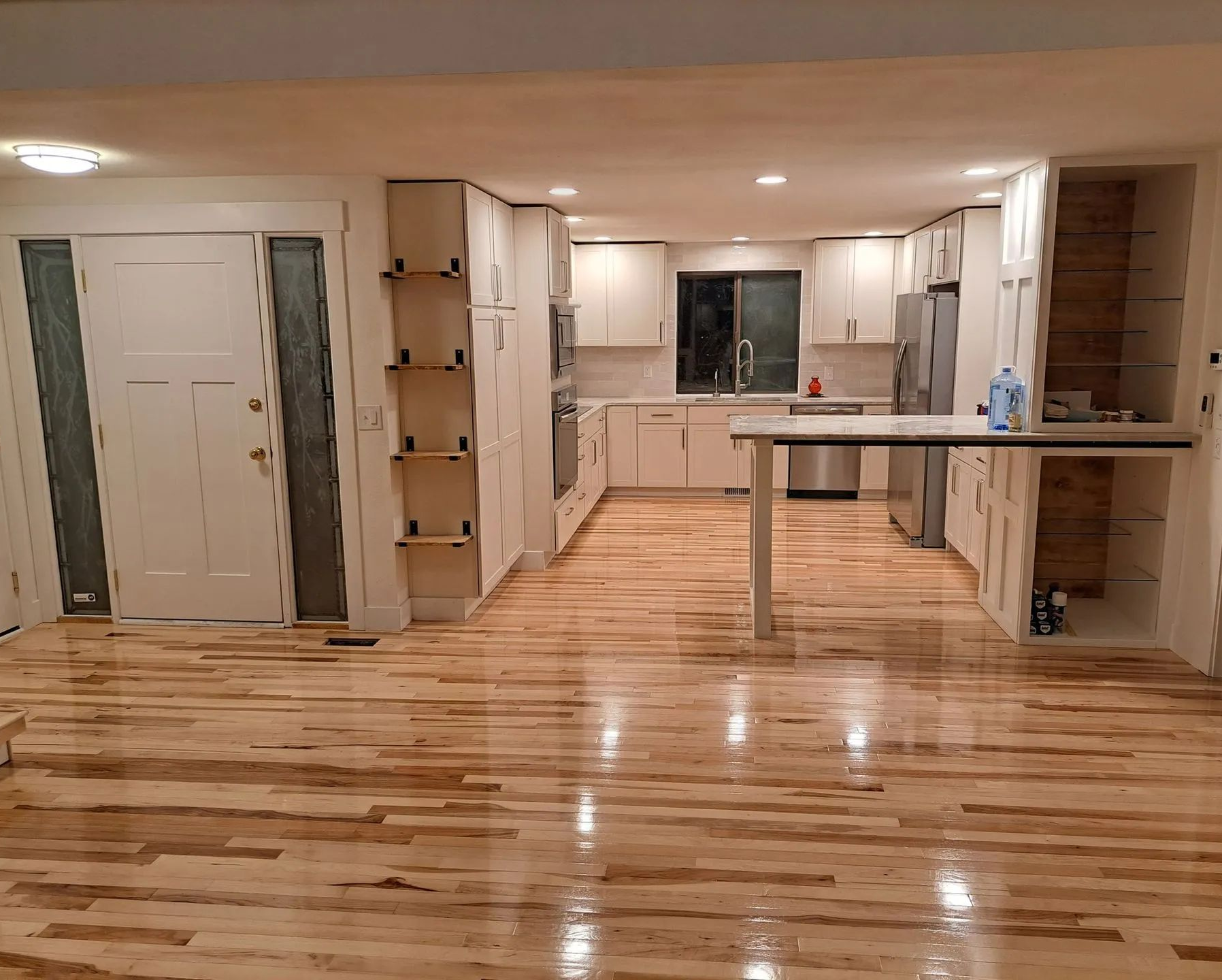
Is your home feeling choppy? Learn when a whole home remodel is the best solution. Contact Sublime Contracting for a consultation!
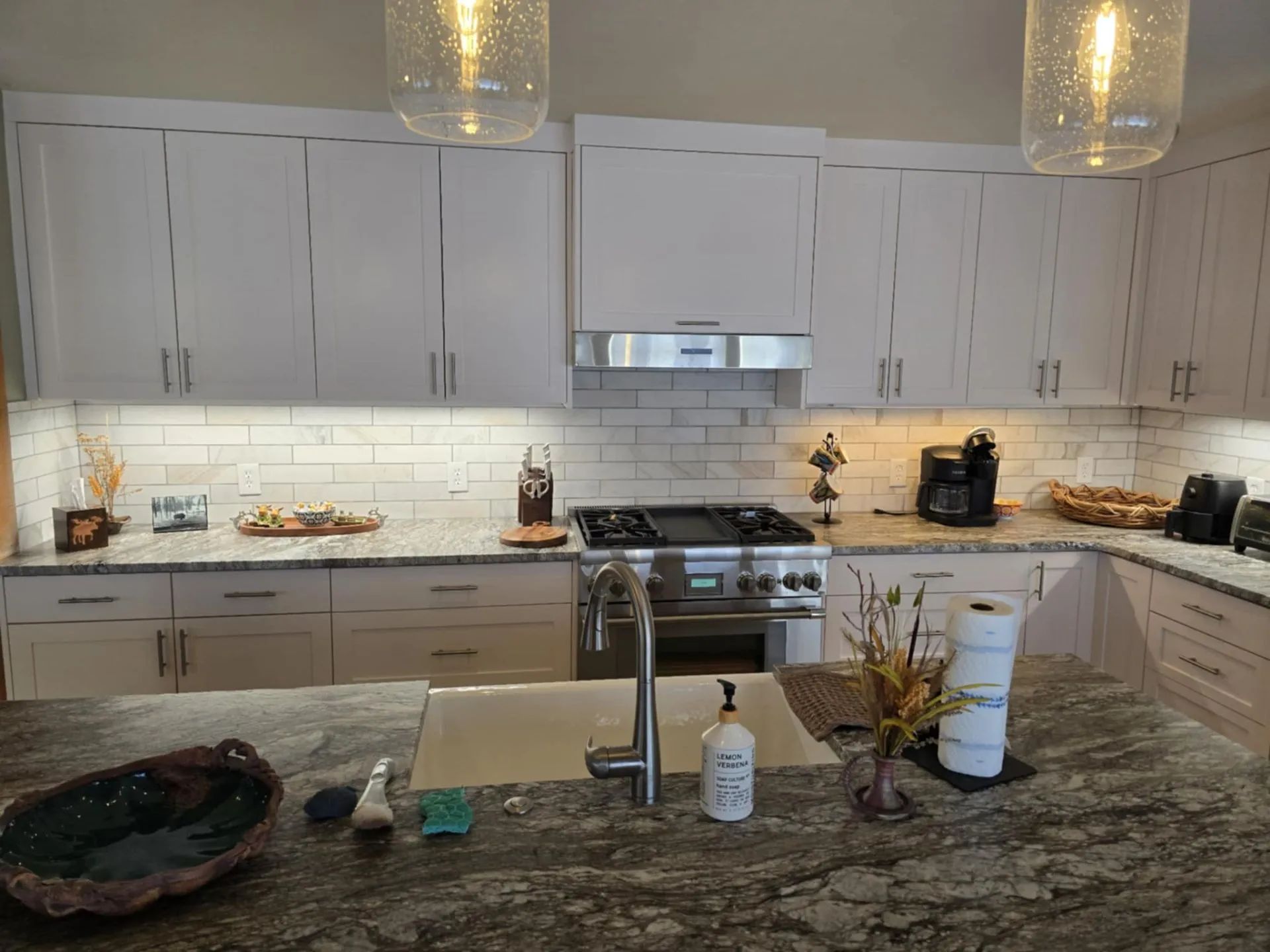
Update your kitchen with custom cabinetry solutions like refacing & refinishing. Contact us for expert advice today!
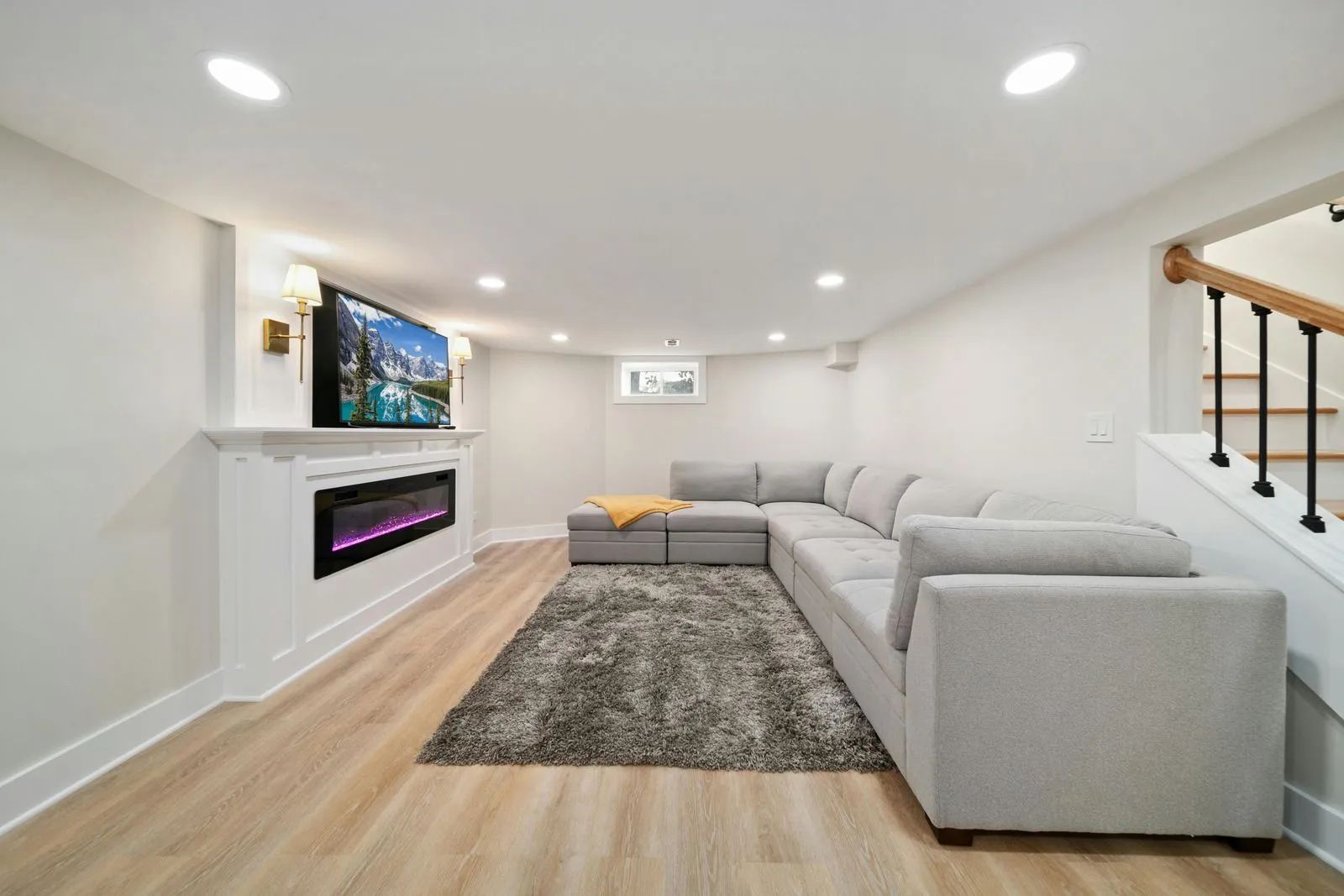
Learn how an ADU can boost your property value. Contact Sublime Contracting to explore your options for rental & guest spaces.
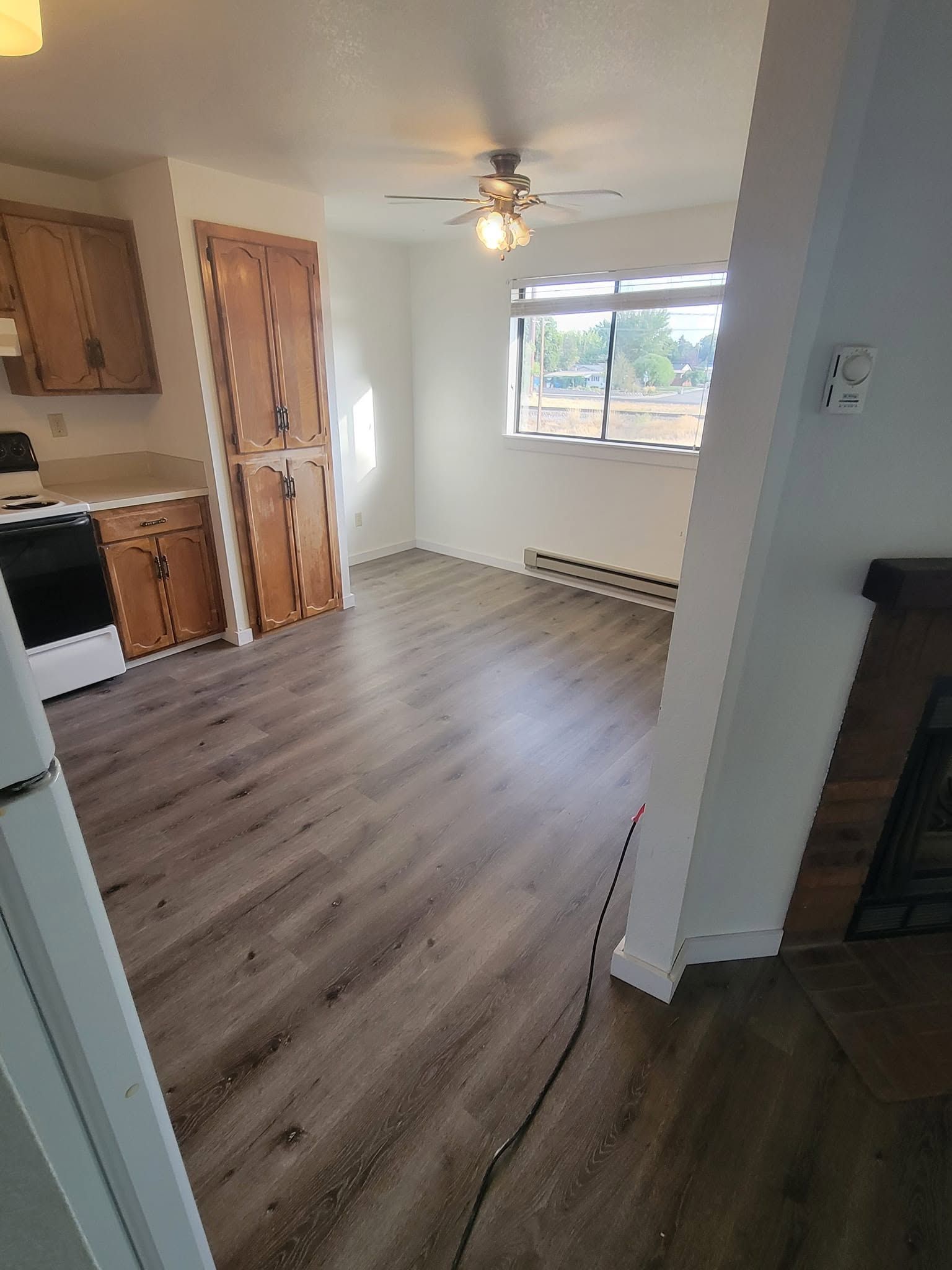
Learn what bouncy & creaky floors reveal about your subfloor. Contact us for expert remodeling solutions today!

Get expert insights on building an ADU, from types to permits. Start your project with Sublime Contracting today!
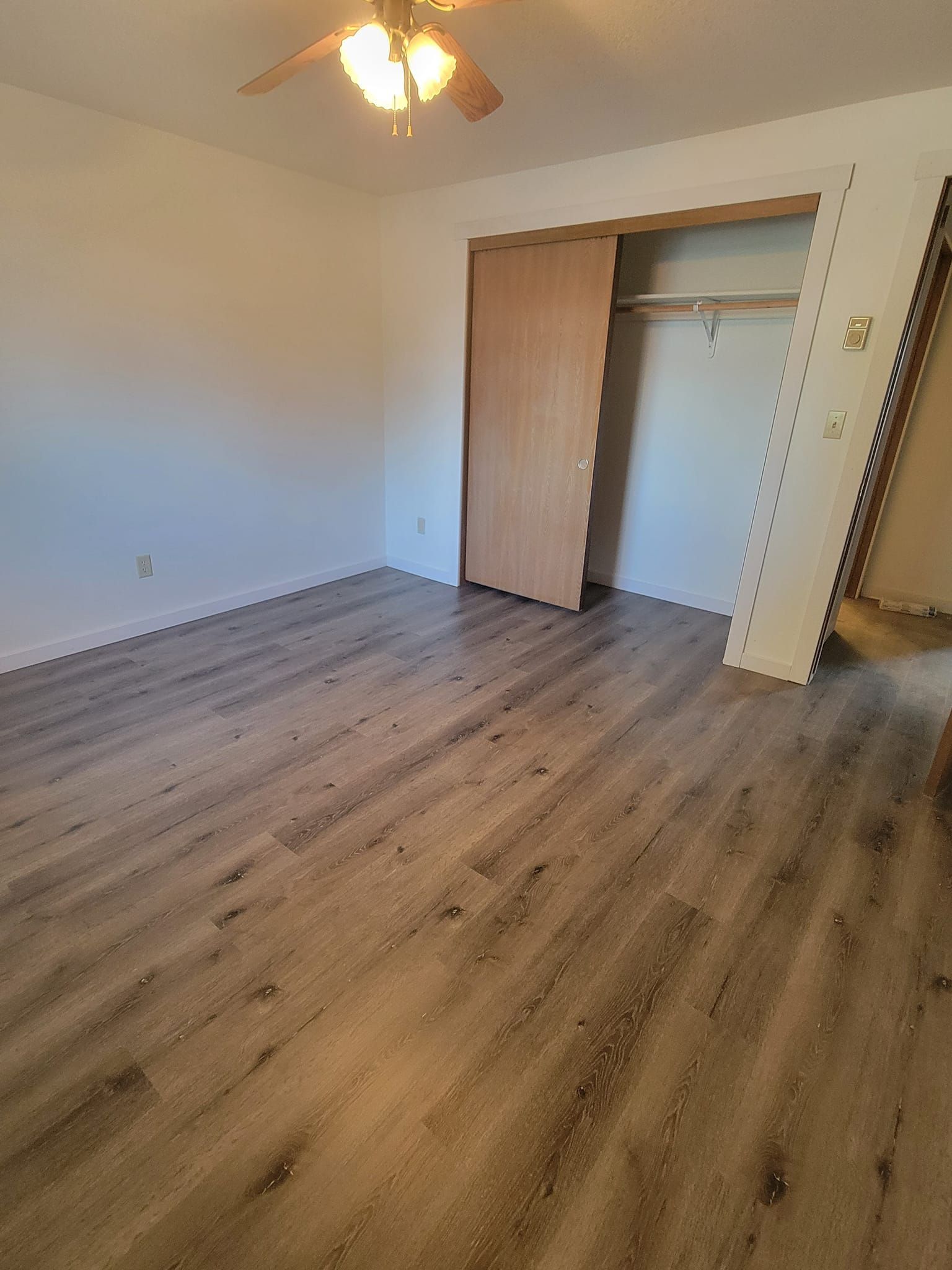
Flooring installation plays a defining role in the overall performance, appearance, and longevity of any residential or commercial space. A well-installed floor enhances structural stability, improves comfort underfoot, and contributes significantly to property value. In modern construction and remodeling projects, flooring is no longer treated as a finishing touch but as a foundational element that determines durability and daily usability. Whether dealing with hardwood, laminate, vinyl, tile, or engineered surfaces, proper installation techniques directly influence resistance to moisture, wear, and environmental stress. Understanding best practices ensures that flooring maintains its visual appeal while minimizing costly repairs or early replacements over time. Industry professionals emphasize that flooring success depends on preparation, precision, and material selection aligned with environmental conditions. Subfloor evaluation, moisture control, and leveling are critical steps that prevent future complications, such as warping, gaps, or uneven surfaces. In addition, installation methods must be matched with the flooring type to ensure structural compatibility and long-term performance. Proper acclimation of materials before installation reduces expansion and contraction issues. Attention to detail during cutting, alignment, and finishing further enhances durability and aesthetics. When these principles are applied consistently, flooring systems deliver lasting strength, improved safety, and a refined visual finish that stands the test of time.
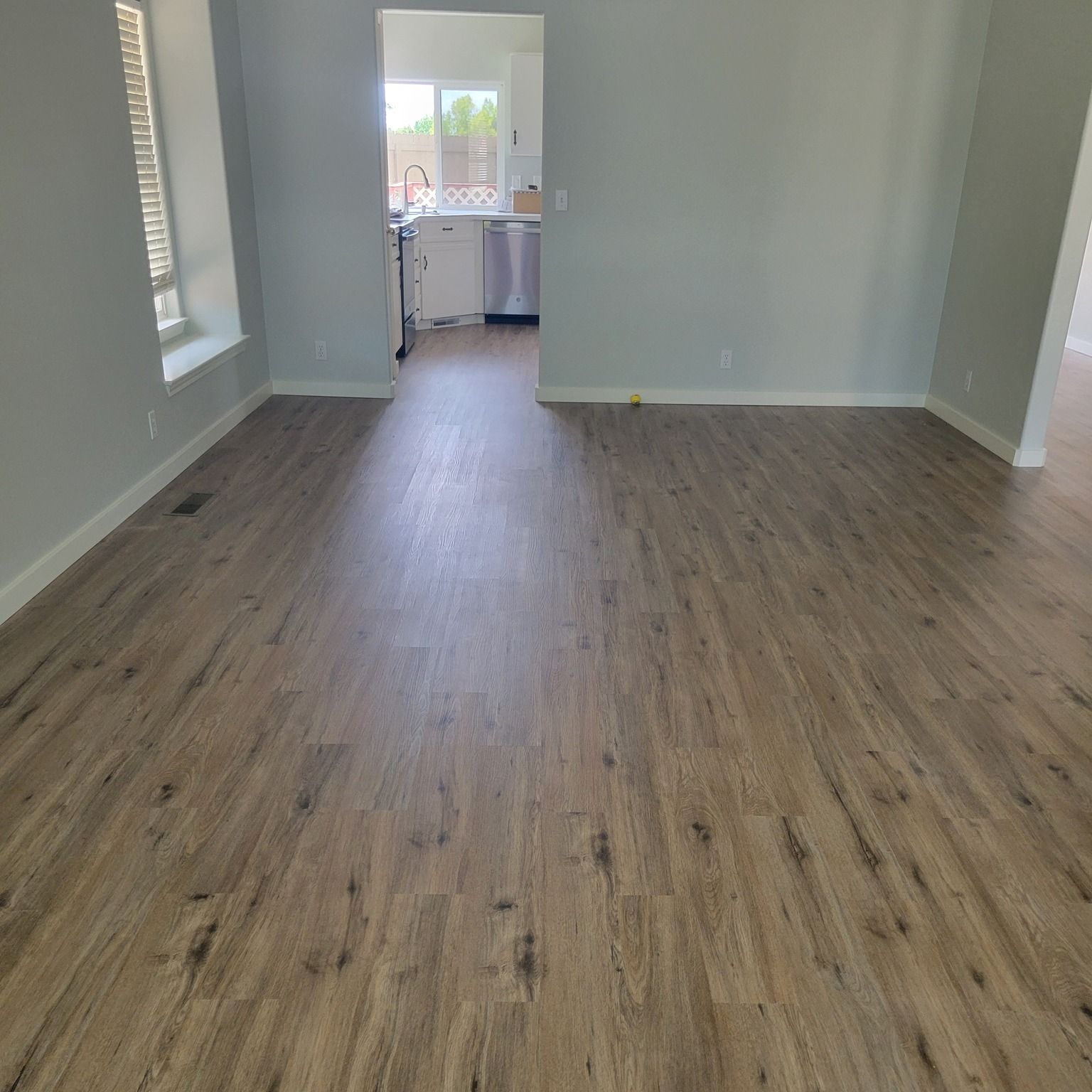
Choosing the right flooring for each room is a critical decision in any residential or commercial space because flooring directly impacts durability, comfort, maintenance, and overall visual appeal. Every room serves a different purpose,
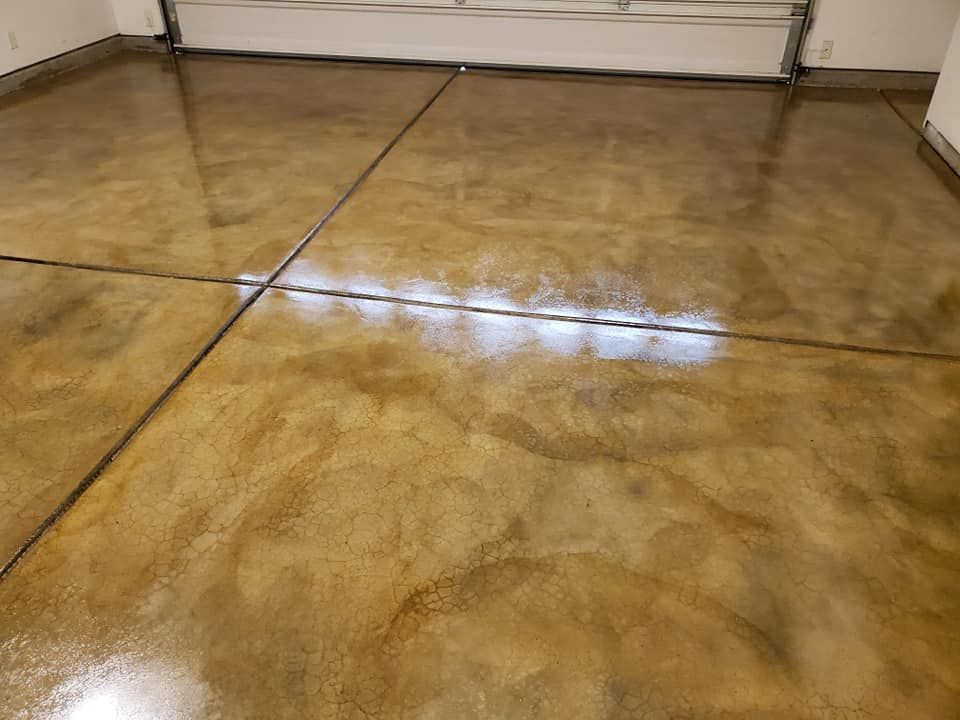
Choosing the right flooring material is one of the most critical decisions in both residential and commercial construction. Flooring not only defines the aesthetic appeal of a space but also impacts functionality, maintenance, durability, and overall comfort.
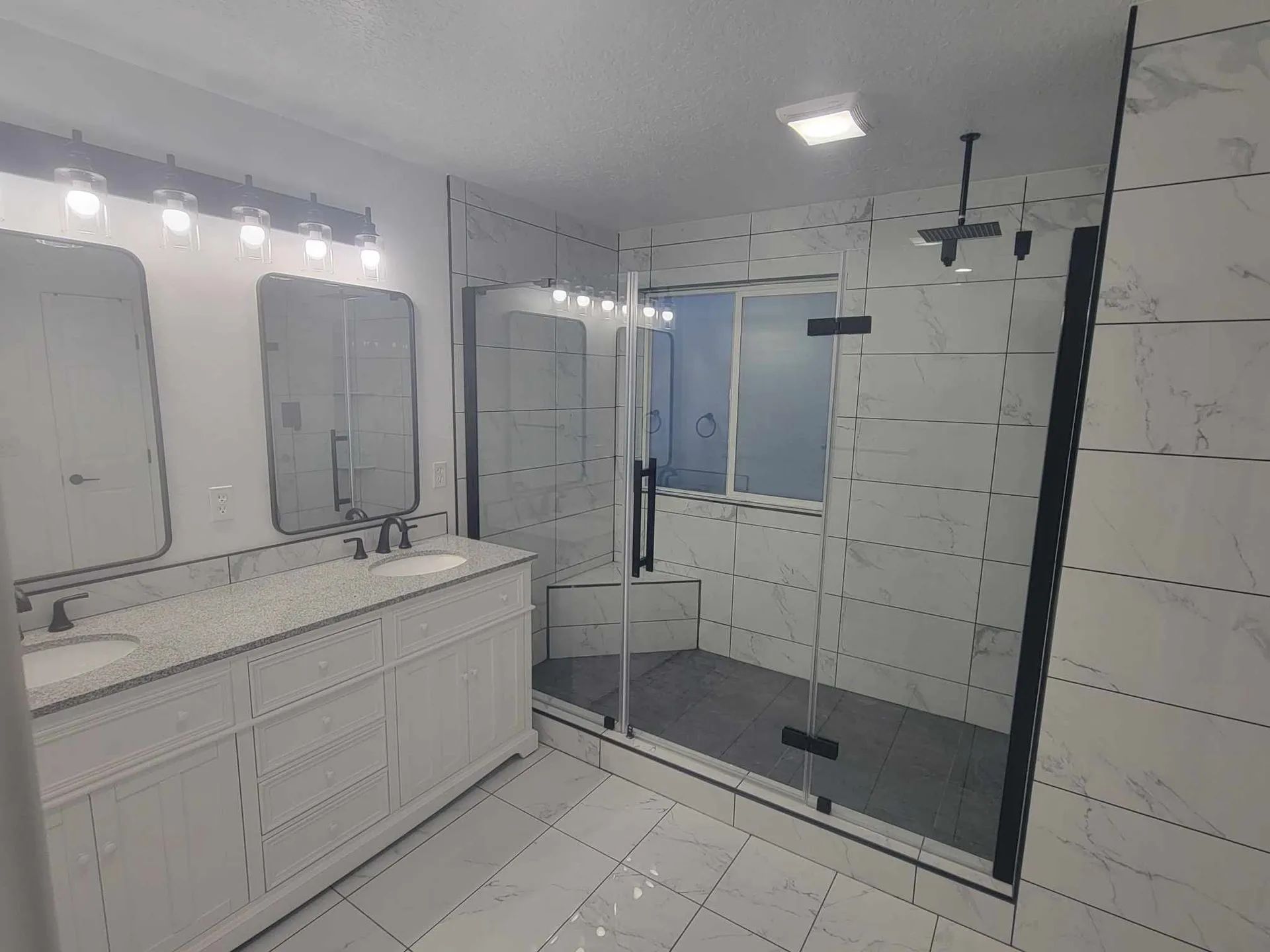
Bathroom remodeling is one of the most impactful home improvement projects a homeowner can undertake. Beyond aesthetics, a well-executed remodel enhances functionality, increases property value, and improves daily comfort.