Common Bathroom Remodeling Mistakes and How to Avoid Them
February 19, 2026
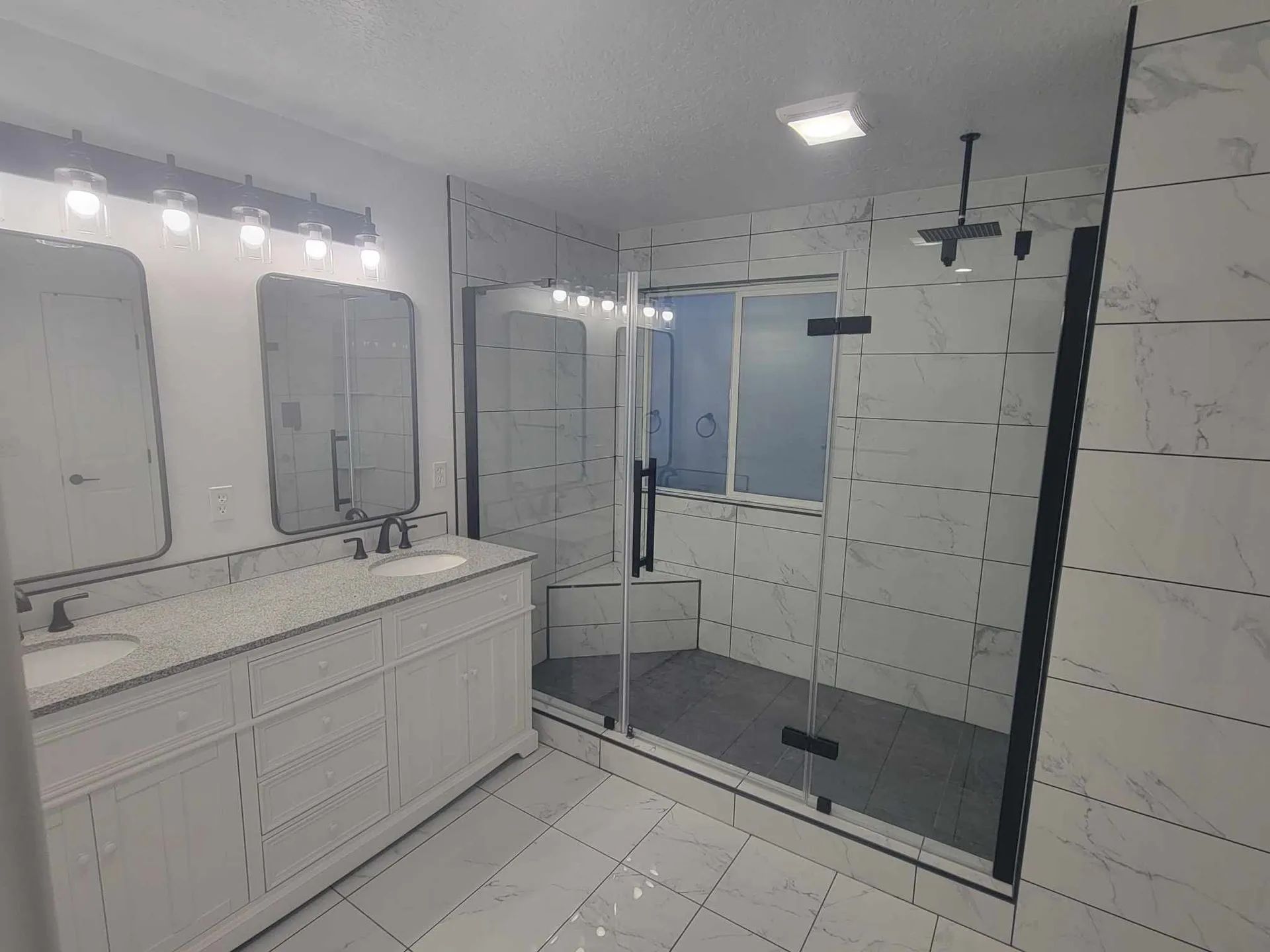
Bathroom remodeling is one of the most impactful home improvement projects a homeowner can undertake. Beyond aesthetics, a well-executed remodel enhances functionality, increases property value, and improves daily comfort. However, despite its apparent simplicity, bathroom renovation is fraught with potential pitfalls. Homeowners often underestimate the complexity of plumbing, electrical, and layout considerations, resulting in costly errors or prolonged project timelines. Understanding the most common mistakes—and knowing how to avoid them—is crucial for achieving a successful outcome that balances style, practicality, and long-term durability.
In today’s remodeling landscape, trends and innovations continue to evolve rapidly. From sleek vanities and smart fixtures to moisture-resistant materials and advanced lighting solutions, the opportunities for creating a modern, efficient bathroom are endless. Yet, even with these advancements, a single misstep—such as improper measurements, overlooked ventilation, or ill-chosen materials—can derail a project. For homeowners, contractors, and design enthusiasts, awareness and strategic planning are key. This guide highlights the most frequent bathroom remodeling mistakes, offering actionable advice to prevent them. By following expert-recommended best practices, you can avoid frustration, control costs, and ensure a remodel that delivers lasting satisfaction and value.
1. Poor Planning and Budgeting
Underestimating Project Scope-
One of the most common mistakes in bathroom remodeling is inadequate planning. Many homeowners begin a project with a vague vision but no structured plan, resulting in missed deadlines, unexpected expenses, and design inconsistencies. Underestimating the project scope can lead to compromised choices, such as selecting a vanity or shower that doesn’t fit the available space. Proper planning involves defining the full scope of work, including plumbing upgrades, electrical adjustments, tile installations, and fixture replacements.
Budget Oversights-
Budgeting errors are equally detrimental. Homeowners often allocate funds for visible features like cabinets or countertops but neglect essential components such as waterproofing, lighting, ventilation, and labor costs. Unexpected expenses during construction—ranging from hidden water damage to outdated electrical wiring—can quickly derail a budget. To avoid surprises, it is essential to include a contingency fund of 10-20% of the total budget.
Best Practices for Planning and Budgeting-
- Detailed Design Plan: Create precise floor plans and 3D renderings before purchasing materials. This helps visualize spatial arrangements and ensures all elements fit seamlessly.
- Comprehensive Material List: Include all finishes, fixtures, and accessories in your budget. Don’t overlook minor items like grout, sealant, or lighting fixtures.
- Hire a Professional for Consultation: Even a single session with an experienced contractor or designer can reveal potential conflicts, from pipe placements to clearance issues.
By investing time in planning and budgeting, homeowners can streamline the remodeling process, prevent costly revisions, and maintain control over both design quality and expenses.
2. Ignoring Proper Ventilation
Why Ventilation Matters
Bathroom ventilation is often overlooked, yet it is essential for preventing long-term damage. Poor airflow allows moisture to accumulate, leading to mold, mildew, and wood rot. Beyond structural concerns, inadequate ventilation can impact indoor air quality, contributing to health issues such as respiratory irritation and allergies.
Common Ventilation Mistakes
- Relying on Windows Alone: While windows provide some airflow, they are often insufficient, especially in smaller bathrooms or during colder months.
- Undersized Exhaust Fans: Installing a fan that is too small for the room’s size reduces effectiveness, allowing moisture to linger on walls and ceilings.
- Incorrect Fan Placement: Fans located too far from moisture sources, such as showers or tubs, fail to remove humidity efficiently.
Solutions and Best Practices
- Calculate the Required CFM: Determine the cubic feet per minute (CFM) rating necessary for your bathroom size. A general rule is 1 CFM per square foot of room space.
- Choose Energy-Efficient Models: Modern ventilation fans with humidity sensors automatically activate when moisture levels rise, reducing mold risk.
- Consider Dual Ventilation: In larger bathrooms, a combination of ceiling fans and window vents ensures continuous airflow.
Proper ventilation not only protects your investment in materials but also ensures a healthier, more comfortable environment. Ignoring this step may lead to repeated repairs and early replacement of cabinets, paint, and flooring.
3. Selecting the Wrong Materials
Material Selection Challenges-
Choosing appropriate materials is critical for durability, safety, and visual appeal. Bathrooms experience constant exposure to water, humidity, and temperature fluctuations, making material choice one of the most frequent sources of remodeling mistakes. Homeowners often select materials based solely on appearance or cost, overlooking long-term performance.
Common Pitfalls-
- Inappropriate Flooring: Wood and low-grade laminates can warp or swell in damp conditions. Tiles with poor slip resistance increase the risk of accidents.
- Low-Quality Fixtures: Cheap faucets, showerheads, and valves may fail prematurely, causing leaks or requiring frequent replacement.
- Paint and Wall Treatments: Standard interior paint can peel or discolor due to high humidity; moisture-resistant alternatives are essential.
Expert Recommendations-
- Moisture-Resistant Materials: Opt for ceramic, porcelain, or natural stone tiles, and water-resistant vinyl or engineered wood flooring.
- Durable Fixtures: Choose high-quality, corrosion-resistant metals like stainless steel or brass for faucets, handles, and shower systems.
- Protective Wall Coatings: Use semi-gloss or satin moisture-resistant paint; consider cement board behind tiles in wet zones.
Investing in the right materials initially may increase upfront costs but significantly reduces maintenance and replacement expenses, ensuring a bathroom that remains functional and visually appealing for years.
4. Poor Layout and Space Planning
Layout Mistakes
A functional bathroom layout is crucial for comfort and usability. Misaligned plumbing, cramped spaces, or inefficient fixture placement are common remodeling errors. Bathrooms with inadequate clearance around sinks, toilets, or showers can feel uncomfortable and reduce property value.
Examples of Layout Issues
- Insufficient Walking Space: Narrow walkways and doors that swing into fixtures create inconvenience.
- Improper Fixture Placement: Placing a toilet near a shower door or under a window can limit accessibility and design options.
- Ignoring Storage Needs: Inadequate cabinets or shelving leads to clutter, undermining the remodel’s overall functionality.
Solutions and Best Practices
- Professional Space Planning: Use precise measurements and layout software to optimize space.
- Focus on the “Work Triangle”: Ensure efficient flow between the sink, toilet, and shower for maximum convenience.
- Incorporate Smart Storage: Consider recessed shelving, floating vanities, or built-in niches to enhance organization without crowding the space.
Careful planning of layout and circulation improves comfort, supports daily routines, and enhances the bathroom’s aesthetic appeal.
5. Overlooking Lighting and Electrical Needs
Lighting Mistakes
Lighting is a frequently underestimated component of bathroom remodeling. Poor lighting can make the space feel smaller, reduce safety, and compromise daily grooming activities. Common mistakes include insufficient general lighting, lack of task lighting, and failure to integrate ambient or accent lighting for design purposes.
Electrical Pitfalls
- Insufficient Outlets: Bathroom remodels often require additional GFCI outlets for appliances such as hair dryers and electric shavers.
- Ignoring Electrical Codes: Failure to follow local regulations can result in unsafe conditions, failed inspections, or insurance complications.
- Incorrect Placement of Fixtures: Lighting above or behind mirrors can create shadows, reducing effectiveness.
Best Practices
- Layered Lighting: Combine ambient, task, and accent lighting to balance functionality and aesthetics.
- Energy-Efficient Options: LED fixtures offer long-term savings and consistent brightness.
- Professional Electrical Planning: Hire a licensed electrician to ensure proper wiring, adherence to codes, and placement that supports daily use.
A well-lit bathroom improves safety, comfort, and style. Thoughtful lighting and electrical planning elevate both the user experience and property value.
6. Neglecting Professional Expertise
DIY Limitations
While DIY remodeling may seem cost-effective, it often leads to mistakes that professionals can prevent. Complex plumbing, electrical, or structural work requires expertise and code compliance knowledge. Attempting these tasks without experience can result in leaks, faulty wiring, and safety hazards.
Common Mistakes from Skipping Professionals
- Improper Installations: Tiles, countertops, and plumbing fixtures installed incorrectly may require early replacement.
- Code Violations: Non-compliance with local building codes can delay inspections and increase legal or insurance complications.
- Overlooked Structural Issues: Hidden water damage, mold, or subfloor problems can go unnoticed, causing costly repairs later.
Leveraging Professional Guidance
- Hire Licensed Contractors: Professionals bring technical skills, tools, and experience to handle challenging installations efficiently.
- Consult Design Experts: Interior designers can optimize aesthetics and functionality while ensuring realistic timelines and budgets.
- Use Inspection Services: Before and after remodeling, inspections help detect potential issues and validate quality.
Engaging professionals ensures quality, safety, and efficiency while reducing stress. Their experience often saves time, money, and effort compared to trial-and-error DIY approaches.
Reliable Remodeling Team Transforming Bathrooms With Precision
Bathroom remodeling presents both exciting opportunities and significant challenges. Common mistakes—from poor planning and budgeting to overlooking ventilation, material selection, lighting, layout, and professional expertise—can undermine even the most carefully envisioned projects. Awareness of these pitfalls, combined with strategic planning and informed decision-making, empowers homeowners to create bathrooms that are functional, stylish, and durable. By applying best practices, allocating sufficient budget and time, and carefully selecting materials and fixtures, remodelers can achieve a space that meets daily needs while enhancing long-term property value.
At Sublime Contracting, we bring over 25
years of experience in bathroom remodeling in Meridian, Idaho. Our team of skilled professionals combines technical expertise, innovative design solutions, and hands-on experience to deliver exceptional results for every project. We understand the complexities of bathroom renovations and guide clients through every step—from planning and budgeting to execution and finishing. By partnering with Sublime Contracting, homeowners can enjoy a stress-free remodel with lasting quality, ensuring their bathroom remains a comfortable, beautiful, and functional space for years to come.