The Pros and Cons of Popular Flooring Materials
March 24, 2026
Choosing the right flooring material is one of the most critical decisions in both residential and commercial construction. Flooring not only defines the aesthetic appeal of a space but also impacts functionality, maintenance, durability, and overall comfort. With the variety of options available today—ranging from hardwood and laminate to vinyl, tile, and carpet—homeowners and business owners often face a challenging decision. Each material comes with its own set of advantages and limitations, making it crucial to weigh factors such as cost, longevity, ease of cleaning, and environmental impact before making a commitment.
The flooring industry has evolved significantly, with technological advancements offering materials that mimic natural textures, provide enhanced durability, and accommodate various budgets. However, selecting the wrong type of flooring can lead to dissatisfaction, costly replacements, or frequent repairs. Understanding the pros and cons of popular flooring materials empowers decision-makers to make informed choices, optimize their investments, and achieve spaces that are both functional and visually appealing. This comprehensive guide will explore the most commonly used flooring options, provide actionable insights, and offer real-world considerations to help you select the ideal material for your space.
Hardwood Flooring: Classic Elegance and Longevity
Benefits of Hardwood Flooring
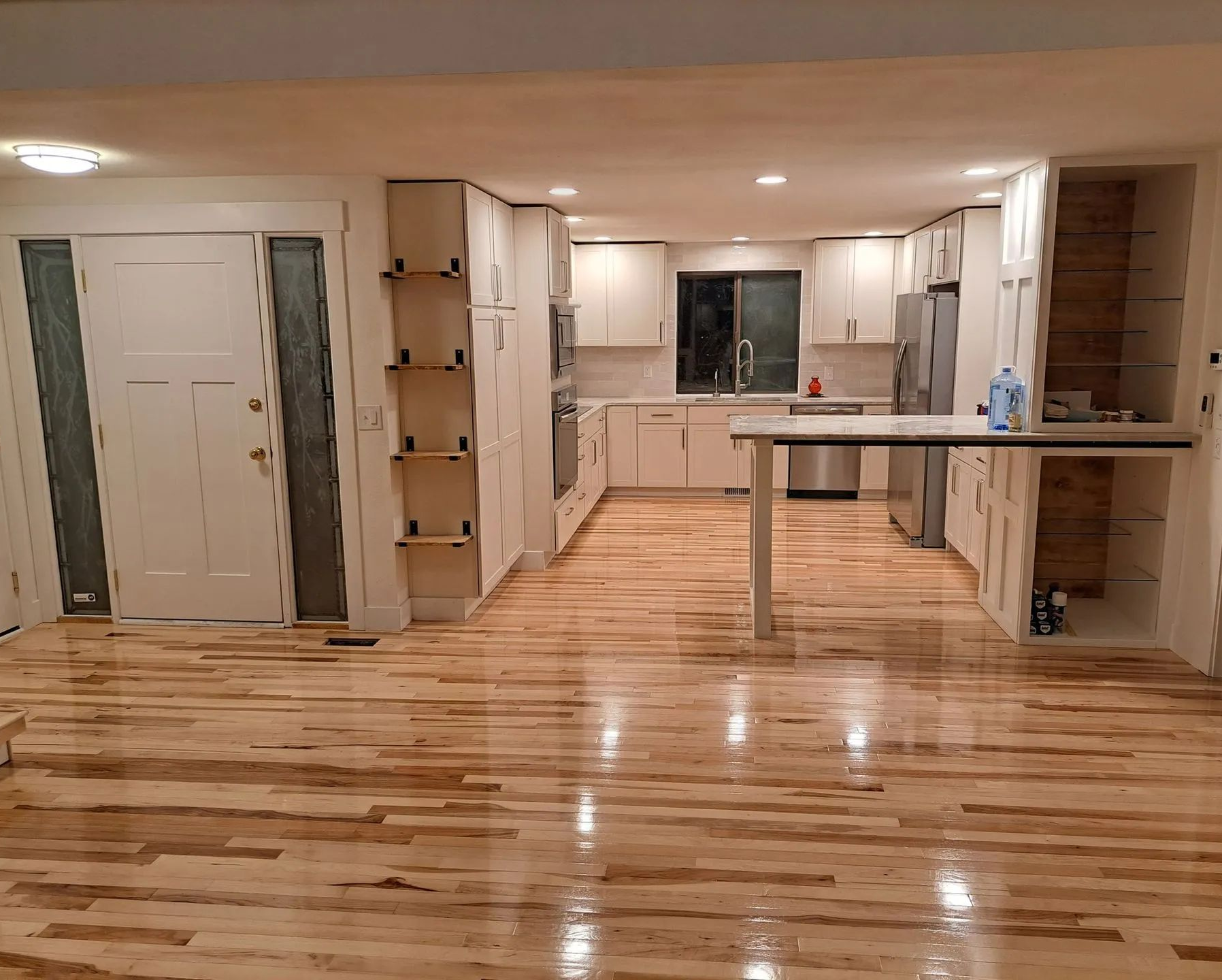
Hardwood flooring remains a top choice for those seeking timeless elegance and durability. Its natural grains and rich tones create a warm, inviting environment suitable for living rooms, bedrooms, and offices. One major advantage of hardwood is its longevity; with proper care, hardwood floors can last decades, often improving in character and aesthetic over time. Additionally, hardwood adds significant value to homes, making it a preferred option for resale purposes. Its versatility allows for refinishing and sanding, enabling homeowners to restore worn surfaces rather than replace the entire floor.
From a functional perspective, hardwood floors are easy to clean, especially in homes with minimal moisture exposure. Sweeping and occasional polishing maintain their luster, and they are resistant to dust mites and allergens, making them suitable for households with allergy concerns. Furthermore, hardwood pairs well with a variety of interior styles, from traditional to modern minimalist designs.
Limitations of Hardwood Flooring
Despite its many advantages, hardwood flooring comes with notable drawbacks. Cost is a primary consideration; premium hardwood can be expensive, especially when factoring in installation and finishing. Hardwood is also susceptible to moisture and humidity, which can cause warping, cupping, or staining. In high-traffic areas, scratches and dents may appear over time, requiring refinishing to maintain a pristine appearance. Additionally, certain hardwood species are softer than others, making them less ideal for homes with pets or heavy foot traffic. For these reasons, homeowners must carefully evaluate their lifestyle and environmental conditions before committing to hardwood.
Laminate Flooring: Affordable Versatility
Advantages of Laminate Flooring
Laminate flooring offers a practical alternative to hardwood for budget-conscious homeowners. Composed of a photographic layer over fiberboard, laminate can mimic the look of natural wood, stone, or tile at a fraction of the cost. It is relatively easy to install, often featuring a click-and-lock system suitable for DIY projects, reducing labor costs. Laminate is also highly resistant to scratches, stains, and fading, making it ideal for high-traffic areas, children’s rooms, and rental properties.
Maintenance is simple, with regular sweeping and damp mopping sufficing for most cleaning needs. Laminate flooring is designed to be durable, providing long-lasting performance without the need for refinishing. Its versatility extends to various styles and finishes, allowing homeowners to achieve the desired aesthetic without breaking the budget.
Challenges of Laminate Flooring
While laminate has many benefits, it is not without limitations. Its lifespan is generally shorter than hardwood, and it cannot be sanded or refinished once damaged. Laminate is also sensitive to water, particularly along seams, which can cause swelling or warping. The synthetic composition may feel less natural underfoot, lacking the warmth and authenticity of real wood. Additionally, lower-quality laminate can emit volatile organic compounds (VOCs), impacting indoor air quality. For homeowners prioritizing a natural look or long-term investment, laminate may be less appealing, though it remains a strong choice for cost-effective, stylish flooring.
Vinyl Flooring: Durable and Water-Resistant
Benefits of Vinyl Flooring
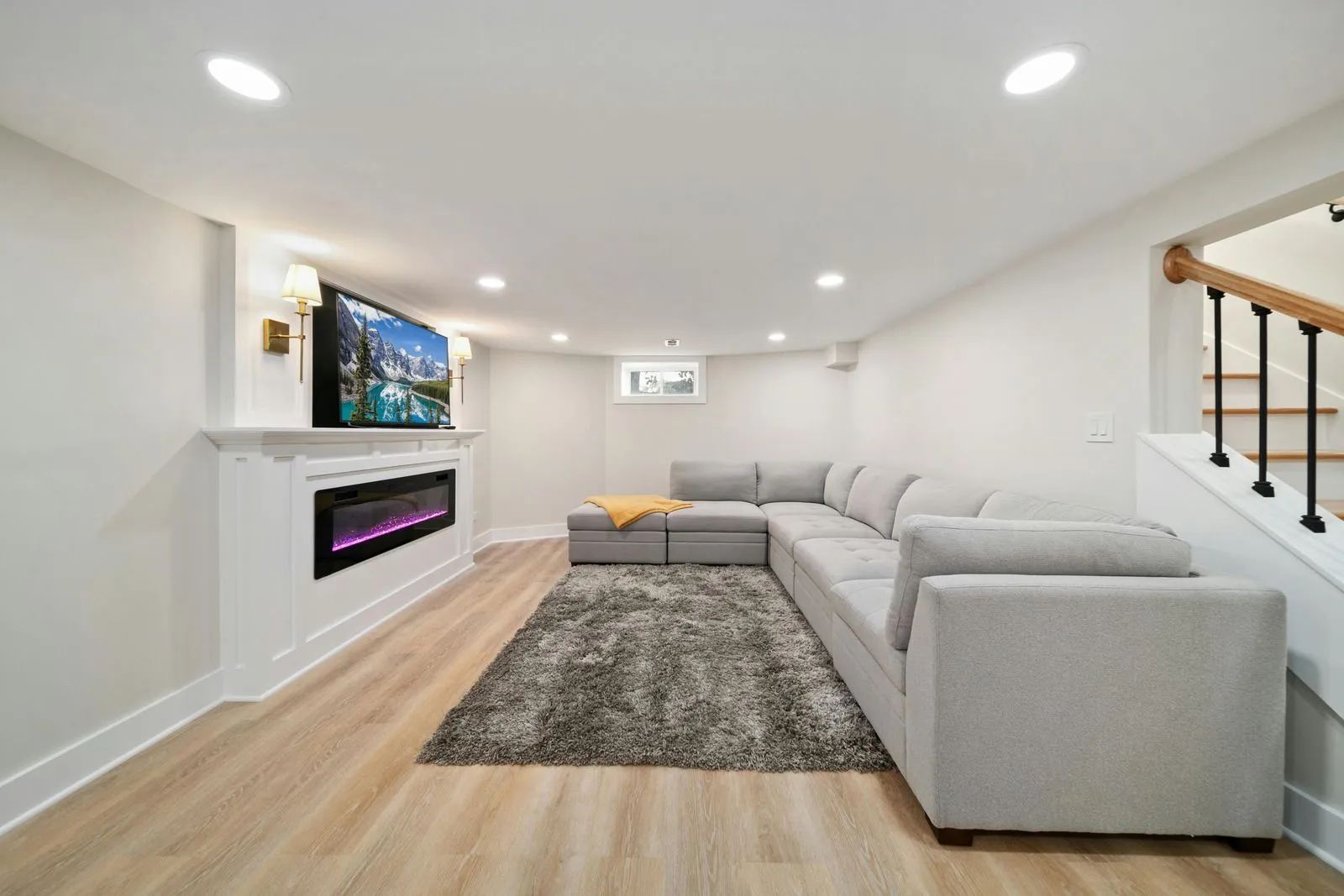
Vinyl flooring has surged in popularity due to its durability, affordability, and moisture resistance. Available in sheets, planks, and tiles, vinyl can replicate the appearance of hardwood, stone, or ceramic with impressive realism. Its water-resistant properties make it ideal for kitchens, bathrooms, basements, and laundry areas, where moisture exposure is common. Vinyl is also softer underfoot compared to tile or hardwood, providing comfort and reducing fatigue during long periods of standing.
Modern luxury vinyl options include waterproof cores and wear layers, offering exceptional longevity and resistance to scratches, dents, and stains. Vinyl’s ease of installation, whether glued down or clicked into place, allows for faster project completion. Additionally, its low-maintenance nature makes it ideal for busy households, rental properties, and commercial settings where practicality is paramount.
Drawbacks of Vinyl Flooring
Despite its advantages, vinyl flooring has certain disadvantages. While it is durable, it is prone to discoloration and can be damaged by sharp objects. Subfloor imperfections may telegraph through thin vinyl layers, affecting the final appearance. Vinyl is also less eco-friendly, as most products are not biodegradable and can emit VOCs. Over time, cheaper vinyl may lose its visual appeal or peel at edges, requiring replacement. Additionally, while vinyl provides a comfortable surface, it cannot match the natural warmth or prestige of hardwood, limiting its appeal in high-end residential applications.
Tile Flooring: Timeless and Functional
Advantages of Tile Flooring
Tile flooring, including ceramic and porcelain, is prized for its durability, water resistance, and design versatility. It is ideal for bathrooms, kitchens, entryways, and other areas subject to moisture or heavy wear. Tile offers virtually limitless design options, from intricate mosaics to large-format slabs, enabling creative customization. Its longevity is exceptional; well-installed tile can last decades without significant maintenance. Tile is also hypoallergenic, easy to clean, and resistant to scratches, stains, and fading, making it suitable for households with pets or allergy-sensitive individuals.
Challenges of Tile Flooring
Tile’s primary drawbacks include its hardness and cold surface, which can be uncomfortable for prolonged standing or bare feet. Installation requires skill and time, with grout lines demanding periodic cleaning and resealing. Improper installation can lead to cracking or uneven surfaces. Additionally, high-quality tile and professional installation can be expensive, particularly for large areas. Noise and impact are also considerations, as tile does not absorb sound or cushioning well. Despite these challenges, tile remains a top choice for durability, water resistance, and design flexibility.
Carpet Flooring: Comfort and Warmth
Benefits of Carpet Flooring
Carpet is synonymous with comfort and coziness, offering soft underfoot cushioning that makes it ideal for bedrooms, living rooms, and family spaces. It provides thermal insulation, helping to maintain warmth in cooler climates. Carpet also reduces noise, making it an excellent option for multi-story homes or apartments. Available in countless colors, patterns, and pile heights, carpet allows homeowners to customize spaces to fit personal tastes and interior design themes.
Maintenance can be straightforward with regular vacuuming and periodic deep cleaning. Certain modern carpets are treated for stain resistance and durability, extending their lifespan and enhancing functionality in high-traffic areas. Carpet also helps prevent slips and falls, providing safety benefits for households with children or elderly family members.
Limitations of Carpet Flooring
- Insufficient Outlets: Bathroom remodels often require additional GFCI outlets for appliances such as hair dryers and electric shavers.
- Ignoring Electrical Codes: Failure to follow local regulations can result in unsafe conditions, failed inspections, or insurance complications.
- Incorrect Placement of Fixtures: Lighting above or behind mirrors can create shadows, reducing effectiveness.
Best Practices
Despite its comfort, carpet has limitations. It can trap dust, allergens, and moisture, which may exacerbate allergies or respiratory conditions if not properly maintained. Stains can be challenging to remove, and carpets generally wear faster than hard surfaces like hardwood or tile. Carpet may not be ideal in high-moisture areas such as kitchens or bathrooms, as prolonged exposure can lead to mold and mildew growth. Additionally, replacement costs and ongoing maintenance can accumulate over time, making it less cost-effective in some scenarios.
Professional Flooring Insights Backed by Sublime Contracting
Selecting the right flooring material is a balance of aesthetics, durability, maintenance, cost, and environmental considerations. Hardwood offers timeless beauty but requires proper care and higher investment. Laminate provides affordability and versatility, while vinyl excels in durability and water resistance. Tile is ideal for moisture-prone areas with unmatched longevity, carpet brings warmth and comfort, and engineered wood or bamboo offer sustainable alternatives with modern appeal. Understanding the pros and cons of each material ensures homeowners and businesses make informed, long-term decisions that enhance their spaces both functionally and visually.
At Sublime Contracting, we bring over 25
years of experience in remodeling and home improvement, providing expert guidance in selecting and installing the perfect flooring for your space. Based in Meridian, Idaho, our team understands the unique challenges homeowners face when balancing style, durability, and budget. We specialize in a wide range of materials, from hardwood and engineered wood to laminate, vinyl, tile, and carpet. Our professionals offer personalized recommendations, ensuring each project meets your vision while delivering long-lasting performance. With a commitment to quality craftsmanship, attention to detail, and customer satisfaction, Sublime Contracting
has earned a reputation as a reliable and trusted partner for homeowners and businesses alike. Whether you’re renovating a single room or completing a full-scale remodel, our expertise ensures your flooring choice will enhance your space aesthetically and functionally for years to come.