Flooring Installation Tips for Long-Lasting Beauty and Durability
May 11, 2026
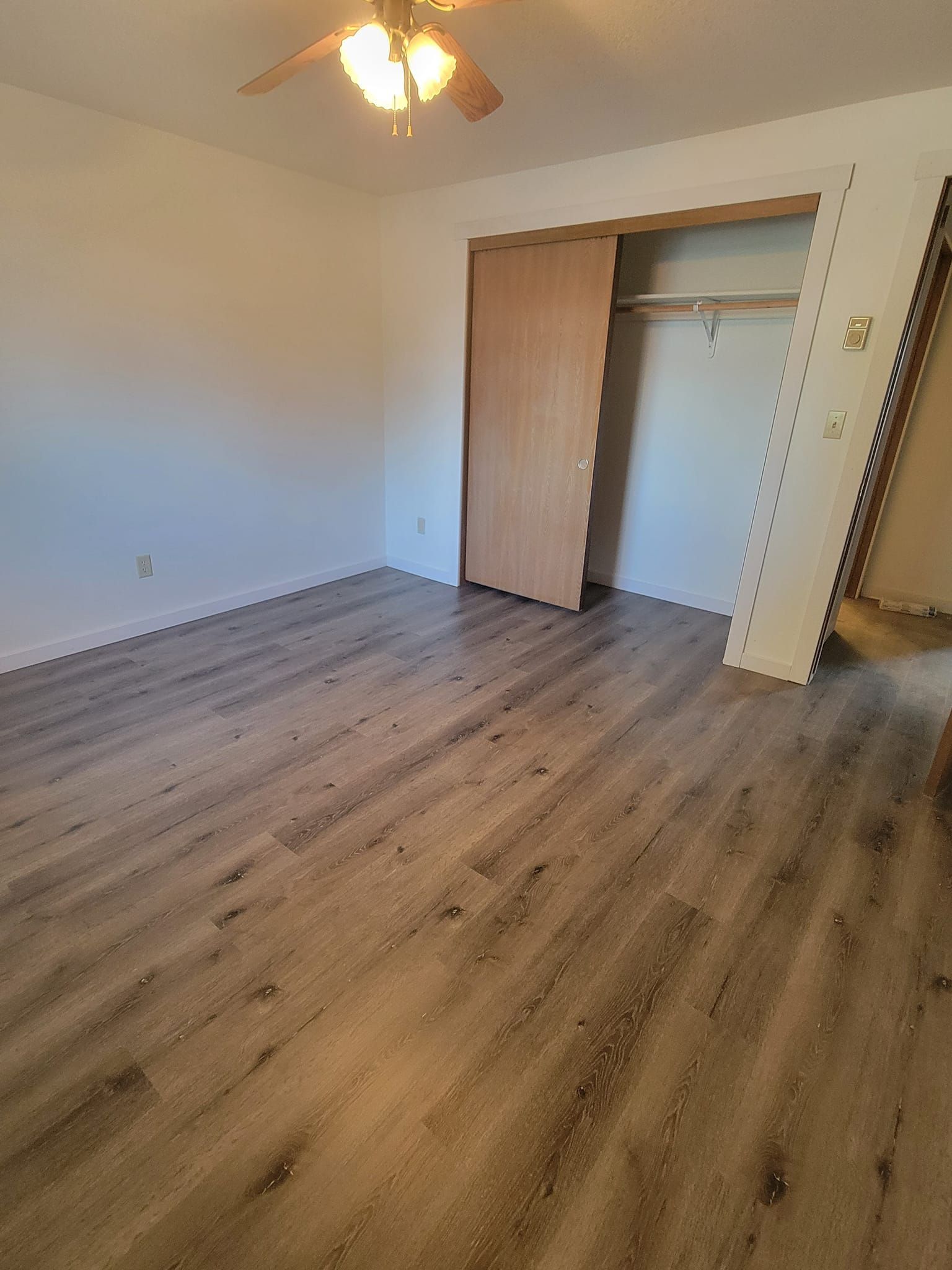
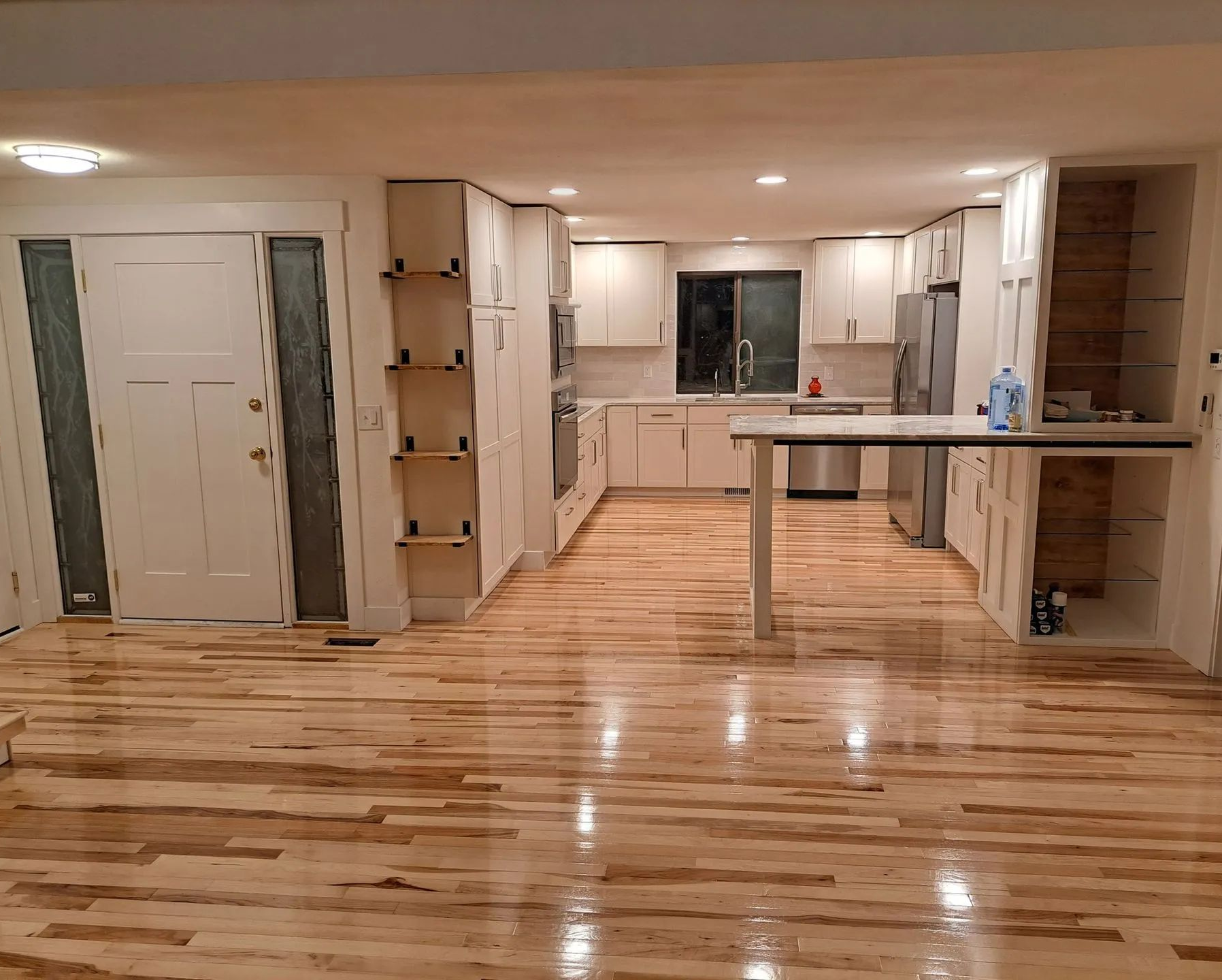
Flooring installation plays a defining role in the overall performance, appearance, and longevity of any residential or commercial space. A well-installed floor enhances structural stability, improves comfort underfoot, and contributes significantly to property value. In modern construction and remodeling projects, flooring is no longer treated as a finishing touch but as a foundational element that determines durability and daily usability. Whether dealing with hardwood, laminate, vinyl, tile, or engineered surfaces, proper installation techniques directly influence resistance to moisture, wear, and environmental stress. Understanding best practices ensures that flooring maintains its visual appeal while minimizing costly repairs or early replacements over time.
Industry professionals emphasize that flooring success depends on preparation, precision, and material selection aligned with environmental conditions. Subfloor evaluation, moisture control, and leveling are critical steps that prevent future complications, such as warping, gaps, or uneven surfaces. In addition, installation methods must be matched with the flooring type to ensure structural compatibility and long-term performance. Proper acclimation of materials before installation reduces expansion and contraction issues. Attention to detail during cutting, alignment, and finishing further enhances durability and aesthetics. When these principles are applied consistently, flooring systems deliver lasting strength, improved safety, and a refined visual finish that stands the test of time.
Surface Preparation and Subfloor Integrity
Importance of Subfloor Stability-
Surface preparation is the foundation of durable flooring installation and directly influences performance over time. A clean, stable, and level subfloor ensures that flooring materials bond correctly and maintain structural integrity. Any debris, adhesive residue, or moisture contamination must be removed before installation begins. Uneven areas should be corrected using leveling compounds to prevent future sagging or surface irregularities. Moisture testing is essential, especially in concrete subfloors, as excessive humidity can lead to adhesive failure, warping, or mold development. Proper assessment tools help identify hidden imperfections that may compromise installation quality.
Subfloor reinforcement may be required in older structures where weakening or movement has occurred. Fastening loose panels, repairing cracks, and ensuring structural rigidity improve overall durability. Attention to detail during preparation reduces the likelihood of costly repairs after installation. Professionals emphasize systematic inspection and correction before laying any flooring material.
A disciplined preparation process improves adhesion, enhances load distribution, and extends the lifespan of finished flooring. When executed correctly, this stage ensures a strong foundation that supports both aesthetic appeal and long-term performance across residential and commercial environments. Consistent adherence to preparation standards also minimizes installation delays and supports smoother workflow execution, allowing flooring systems to perform efficiently under varying usage conditions while maintaining structural reliability and visual consistency across diverse project requirements in modern construction settings with sustained emphasis on quality control and professional oversight process efficiency standards.
Material Selection and Environmental Compatibility
Choosing the Right Flooring Material
Material selection plays a crucial role in determining the durability, appearance, and performance of flooring systems. Each material type offers unique characteristics that must align with environmental conditions and usage demands. Hardwood provides natural elegance and strength but requires controlled humidity levels. Laminate offers affordability and resistance to scratches, making it suitable for high-traffic interiors. Vinyl flooring delivers moisture resistance and flexibility, ideal for kitchens, bathrooms, and commercial spaces. Tile flooring ensures long-lasting durability and heat resistance, while engineered wood combines stability with aesthetic appeal.
Environmental compatibility must always be assessed before installation. Temperature fluctuations, humidity levels, and sunlight exposure influence material behavior over time. Selecting unsuitable flooring for specific conditions can lead to premature wear, discoloration, or structural failure. Proper evaluation ensures that materials maintain integrity under operational stress.
Load-bearing requirements also influence selection decisions. Spaces with heavy furniture or frequent movement require stronger, more resilient surfaces. Acoustic performance, maintenance needs, and slip resistance further guide material choice. A balanced approach ensures optimal functionality and visual harmony.
Strategic material planning enhances both short-term installation success and long-term performance. When aligned correctly with environmental and functional requirements, flooring systems deliver sustained durability and consistent aesthetic value across diverse applications. Proper coordination between material properties and installation conditions reduces maintenance costs and improves lifecycle performance in demanding residential and commercial environments over extended usage periods, ensuring long-term reliability and efficiency standards.
Precision Installation Techniques
Accurate Layout and Alignment-
Precision during installation is essential for achieving seamless flooring performance and long-lasting structural integrity. Accurate measurement and layout planning ensure that materials fit correctly within designated spaces, reducing waste and minimizing alignment issues. Proper use of tools such as spacers, leveling systems, and cutting equipment contributes to consistent results. Each flooring type requires specific installation techniques that must be followed carefully to maintain manufacturer standards and warranty compliance.
Alignment accuracy prevents visible gaps, uneven seams, and structural weaknesses. Starting installation from a fixed reference point helps maintain uniformity across the entire surface. Controlled spacing allows for natural material expansion without causing deformation. Adhesive application must be consistent to avoid bonding failures or surface irregularities.
Cutting precision is equally important, especially around corners, edges, and fixed structures. Improper cuts can compromise both appearance and durability. Continuous inspection during installation ensures immediate correction of any misalignment or defects. Professional practices emphasize patience, consistency, and adherence to technical guidelines.
A methodical installation approach improves load distribution, enhances visual appeal, and ensures long-term durability. When executed with accuracy and discipline, flooring systems achieve superior performance and maintain their intended design integrity across diverse environments. Regular verification of alignment and surface continuity throughout the process ensures reduced rework and higher installation efficiency across all project scales while supporting consistent quality outcomes and improved structural reliability in finished flooring systems over time, in use conditions maintained.
Moisture Control and Expansion Management
Preventing Moisture Damage
Moisture control is a critical factor in flooring installation, as excessive humidity can compromise adhesion, structural stability, and long-term performance. Proper moisture testing of subfloors helps identify potential risks before installation begins. Concrete and wood substrates must meet recommended moisture thresholds to ensure compatibility with flooring materials. Without adequate control, issues such as warping, swelling, and mold growth may occur over time.
Expansion and contraction management is equally important, especially in environments with fluctuating temperature and humidity levels. Flooring materials naturally respond to environmental changes, and failure to accommodate movement can result in buckling or separation. Expansion gaps along walls and fixed structures allow materials to move safely without causing damage.
Underlayment systems provide additional protection by acting as a moisture barrier and improving acoustic performance. Selecting the correct underlayment enhances comfort and extends flooring lifespan. Proper sealing techniques further protect edges and joints from moisture infiltration.
Environmental monitoring during and after installation ensures sustained performance. Regular inspection helps detect early signs of moisture-related issues, allowing timely corrective action. A proactive approach to moisture and expansion management supports durability, safety, and long-term visual consistency in flooring systems across residential and commercial applications. Integrating proper drainage planning and climate control measures further strengthens flooring resilience and reduces environmental stress impacts over extended service life, ensuring consistent performance and reduced maintenance requirements in diverse settings, and long-term operational reliability standards are met.
Finishing, Sealing, and Long-Term Maintenance
Protecting Surface Quality
Finishing techniques and long-term maintenance practices play a vital role in preserving flooring durability and visual appeal. Proper finishing enhances surface protection, improves resistance to wear, and contributes to a refined aesthetic outcome. Sealing joints and edges prevents moisture penetration and reduces the risk of structural deterioration. Polishing and coating applications further enhance surface strength and appearance, depending on material type.
Routine maintenance is essential for sustaining performance over time. Regular cleaning using appropriate products prevents dirt buildup and surface degradation. Avoiding harsh chemicals protects finishes and extends material lifespan. Protective measures such as furniture pads and entry mats reduce abrasion and impact damage in high-traffic areas.
Inspection schedules help identify early signs of wear, allowing timely intervention before major issues develop. Addressing minor repairs promptly prevents escalation into costly replacements. Maintenance strategies should be tailored to specific flooring materials to ensure compatibility and effectiveness.
A consistent care approach ensures that flooring retains its original strength, beauty, and functionality for years. When combined with proper installation and material selection, finishing and maintenance complete a comprehensive flooring system that delivers lasting value across residential and commercial environments. Adopting preventive maintenance schedules and professional assessment routines further enhances flooring longevity and reduces lifecycle costs significantly while ensuring consistent performance under varying environmental and usage conditions over time, supporting sustained durability and aesthetic integrity across all flooring applications through disciplined maintenance practices implementation.
Reliable Installation Practices Ensuring Long-Term Performance
Successful flooring installation depends on structured planning, accurate execution, and careful material handling across every stage of the process. From subfloor preparation to final finishing, each step directly influences durability, appearance, and long-term performance. Moisture control, leveling accuracy, and precise installation techniques reduce structural issues while improving overall surface stability. Material selection aligned with environmental conditions further ensures lasting functionality and visual consistency. Maintenance practices play a key role in preserving flooring integrity and extending service life by preventing premature wear and damage. When these principles are applied consistently, flooring systems achieve reliable strength, enhanced safety, and refined aesthetics that support both residential and commercial needs.
We at Sublime Contracting
represent a trusted remodeler based in Meridian, Idaho, with over 25
years of experience delivering high-quality flooring and remodeling solutions. Our approach emphasizes precision installation, proper preparation, and durable craftsmanship that ensures long-term performance. We focus on moisture control, material expertise, and industry-best practices to achieve flooring systems that maintain strength and visual appeal over time.